
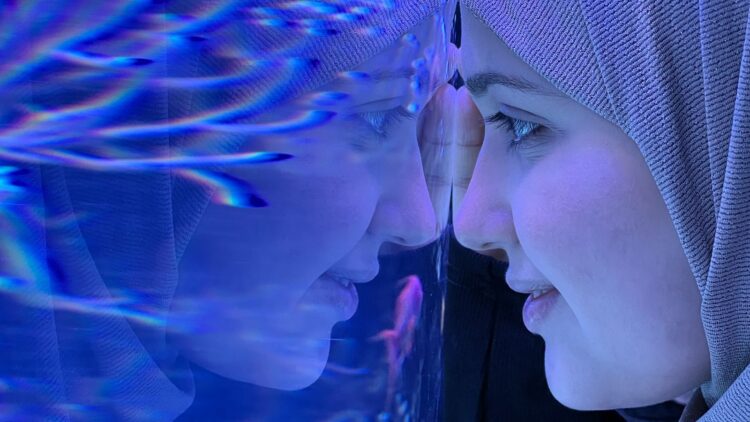
A snapshot of the most exciting voices working in American and international cinema today, the Museum of the Moving Image’s First Look festival returns this week, taking place April 23-May 3 at the Queens venue.
First Look gathers a varied, eclectic set of cinema from all corners of the world––including a number of films still seeking distribution, making this series perhaps one of your only chances to see these works on the big screen.
We’ve highlighted a few selections we’ve enjoyed on the festival circuit (and beyond) that are well worth seeking out.
The Bend in the River (Robb Moss)
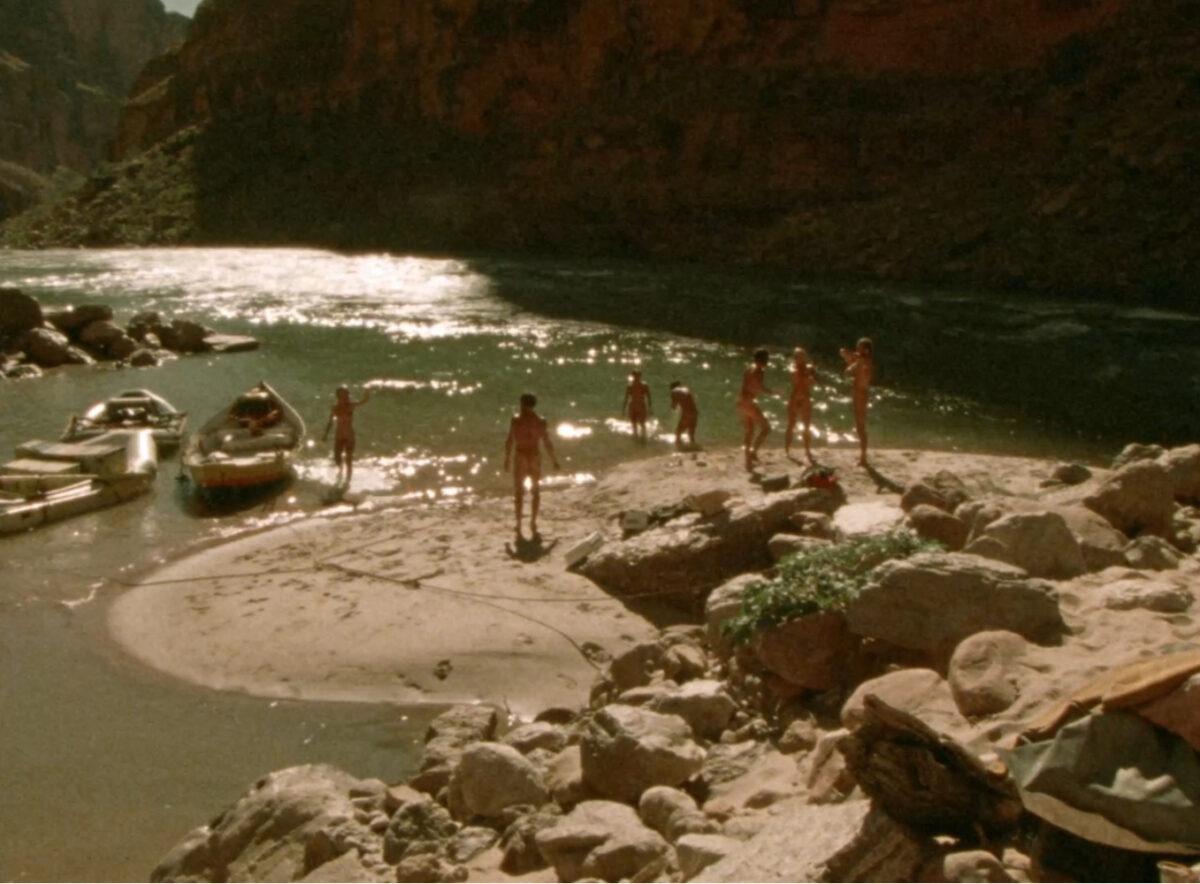
The Bend in the River, director Robb Moss’ third installment in his running chronicle of his friends’ lives (following The Same River Twice in 2003 and Riverdogs in the late ’70s ), is a gentle, effective documentary that can often feel like looking in a mirror. It’s very personal and revealing without doing much at all. To paraphrase the impossibly good tagline from the 1968 masterpiece The Swimmer: When you watch The Bend in the River, will you think about yourself? – Dan M. (full review)
Carousel (Rachel Lambert)
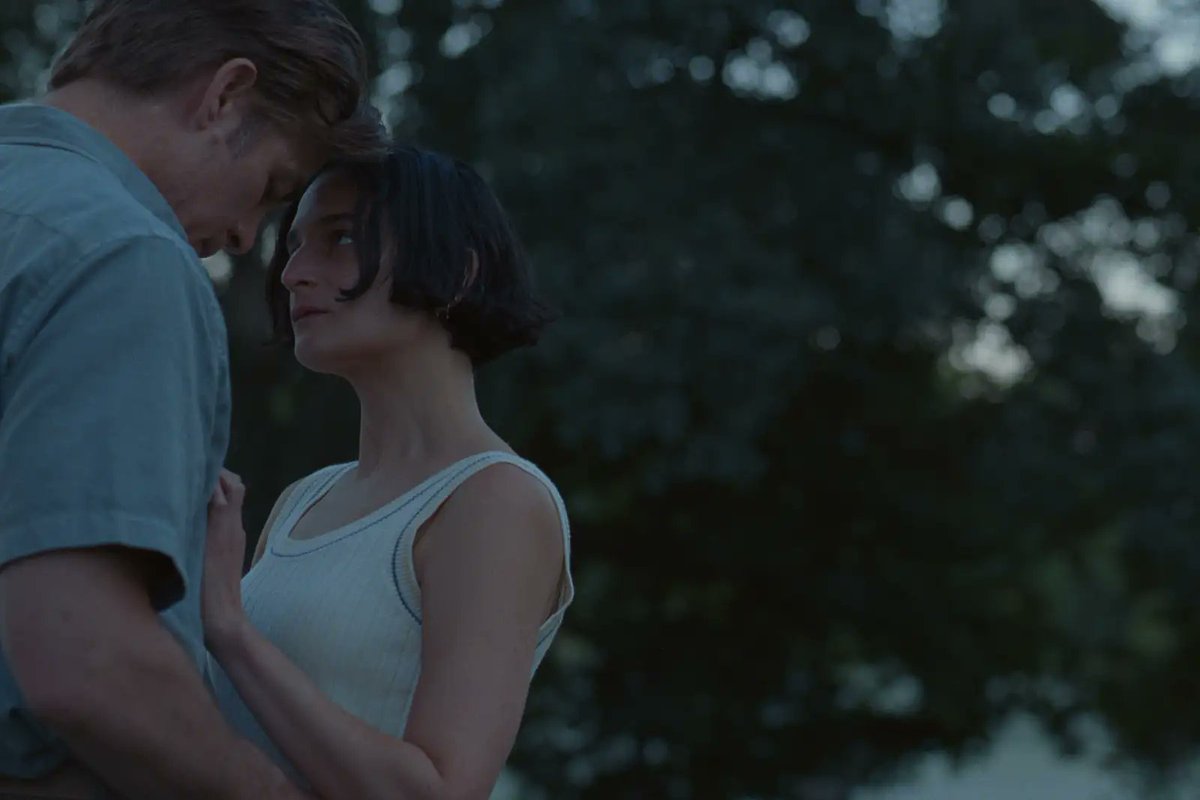
Carousel is a movie out of time. Working with Chris Pine and Jenny Slate, writer-director Rachel Lambert has constructed a delicate, patient, slice-of-life picture recalling Murphy’s Romance or Starting Over. That this even got made feels special. Pine plays Noah, a local doctor dealing with a fresh divorce. When his high school ex-girlfriend Rebecca (Jenny Slate) comes back to town, things get complicated. Rebecca begins coaching the high school debate team, of which Noah’s teenage daughter Maya (Abby Ryder Fortson) is a part. As Maya falls in love with debate and begins to deal with some intense emotions stemming from her parents’ separation, Noah and Rebecca fall back in love with each other. – Dan M. (full review)
Hot Water (Ramzi Bashour)
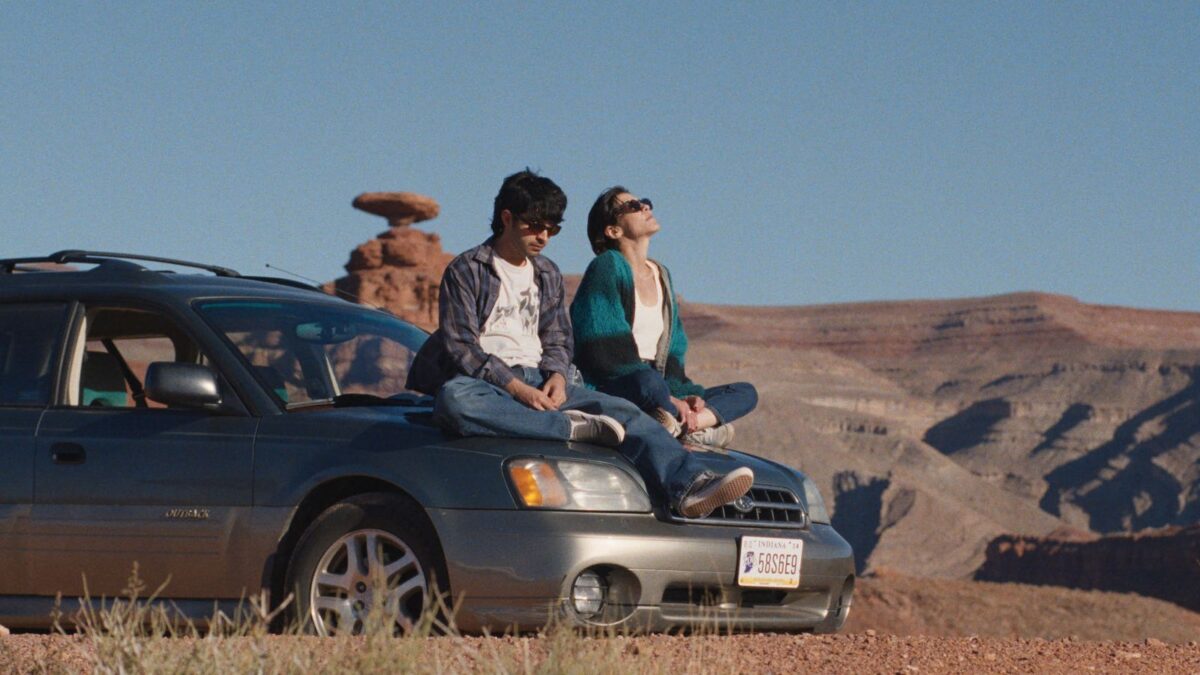
Filmed on location throughout the Midwest, Las Vegas, and California, Hot Water was inspired by a road trip that Bashour took after studying abroad in the U.S. and contains notes of longing for one’s homeland. With a restrained tone that often finds humor in Layal’s headstrong, compulsive behavior, it makes great use of its locations and landscapes, giving this story a distinct sense of both place and displacement. Layal keeps a connection to her community in Beirut, including a sick mother, while living life abroad. – John F. (full review)
Humboldt USA (G. Anthony Svatek)
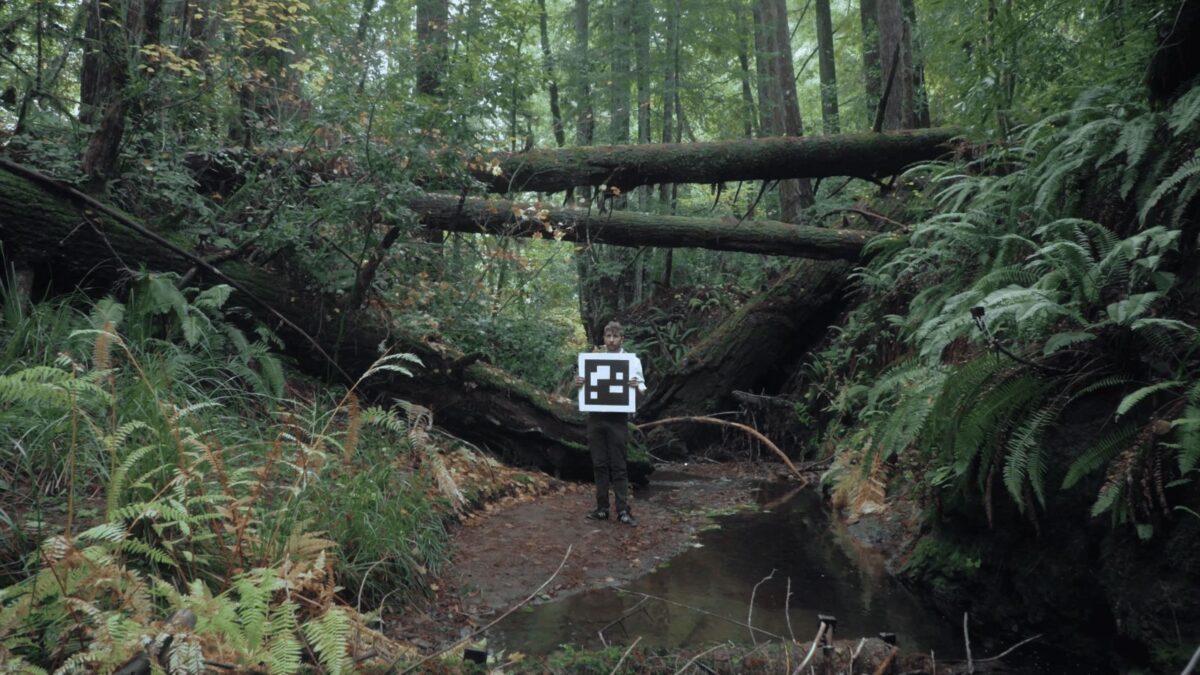
A playful documentary about real ecological issues that takes on the personality of its engaging subjects, G. Anthony Svatek’s Humboldt USA examines the legacy of Alexander von Humboldt through a trio of locations named after the 19th–century gay scientist. Far from the dry and over-polished, message-driven portrait that environmental documentaries can often fall prey to, Svatek wonderfully captures the personalities of those fighting to make change, from California’s Humboldt Redwoods to Buffalo’s Humboldt Parkway. – Jordan R.
It Goes That Quick (Ashley Connor and Joe Stankus)
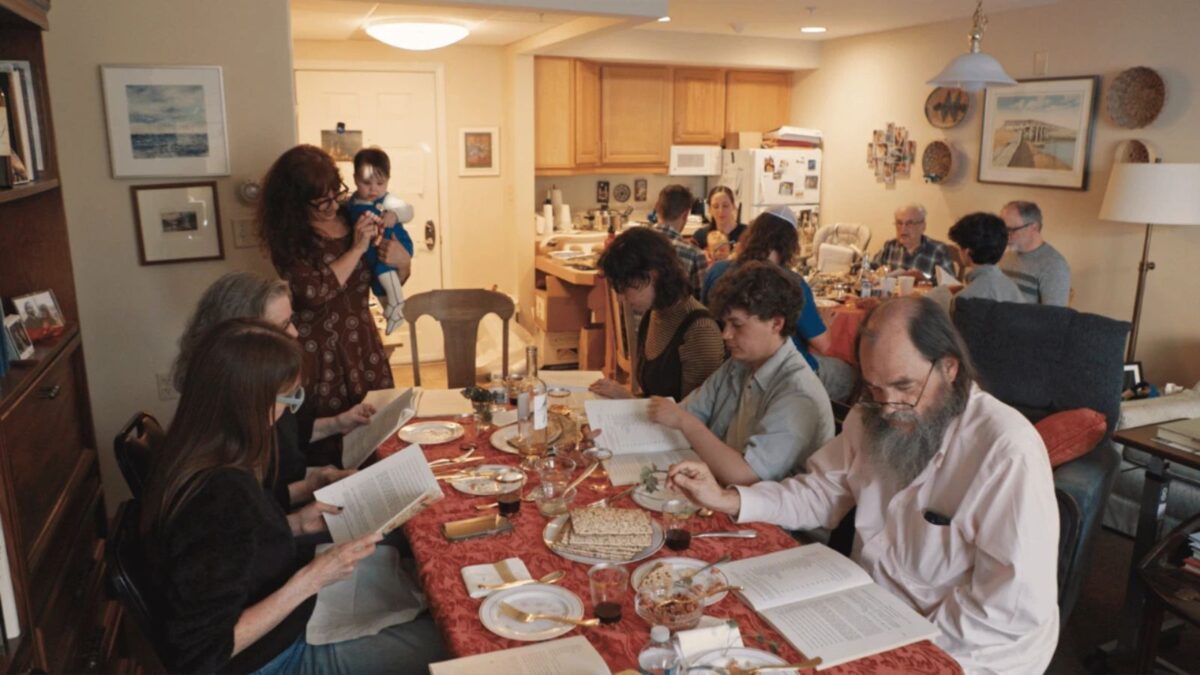
One of the few world premieres at First Look, It Goes That Quick marks the feature debut of filmmaking couple Joe Stankus and Ashley Connor, the cinematographer behind Madeline’s Madeline and, most recently, The Chair Company. A fittingly personal collaboration, it charts their extended family over a decade-long period with Mekas-esque intimacy. Mixing archival footage with present-day moments that capture a wide range of memorable personalities, It Goes That Quick bears a recognizability in its family’s singular quirks. It proves that, with the right vision, there’s always something profound to be found in the quotidian. – Jordan R.
The Misconceived (James N. Kienitz Wilkins)
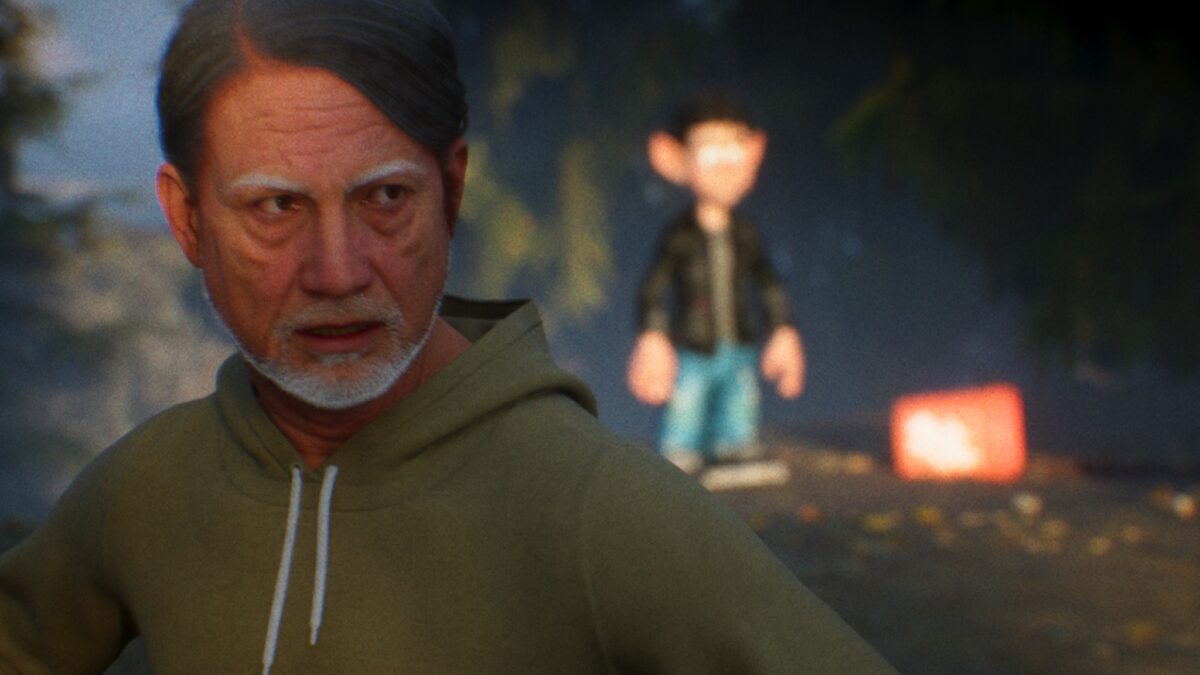
Seven years after collaborating on The Plagiarists, writers James N. Kienitz Wilkins and Robin Schavoir return with The Misconceived—another incisive, inventive movie about the anxieties faced by the never-quite-made-it creative class. Directed by Peter Parlow, that earlier film played with the tropes of found-footage horror to tell a story about untested urban liberalism and the dual tyrannies of artistic authenticity and writer’s block. The Misconceived—described in press notes as an acidic satire and more than lives up to that corrosive billing—is a little harsh on the eyes, but it swims in similarly rich thematic waters and doesn’t skimp on formal experimentations. – Rory O. (full review)
One in a Million (Itab Azzam and Jack MacInnes)
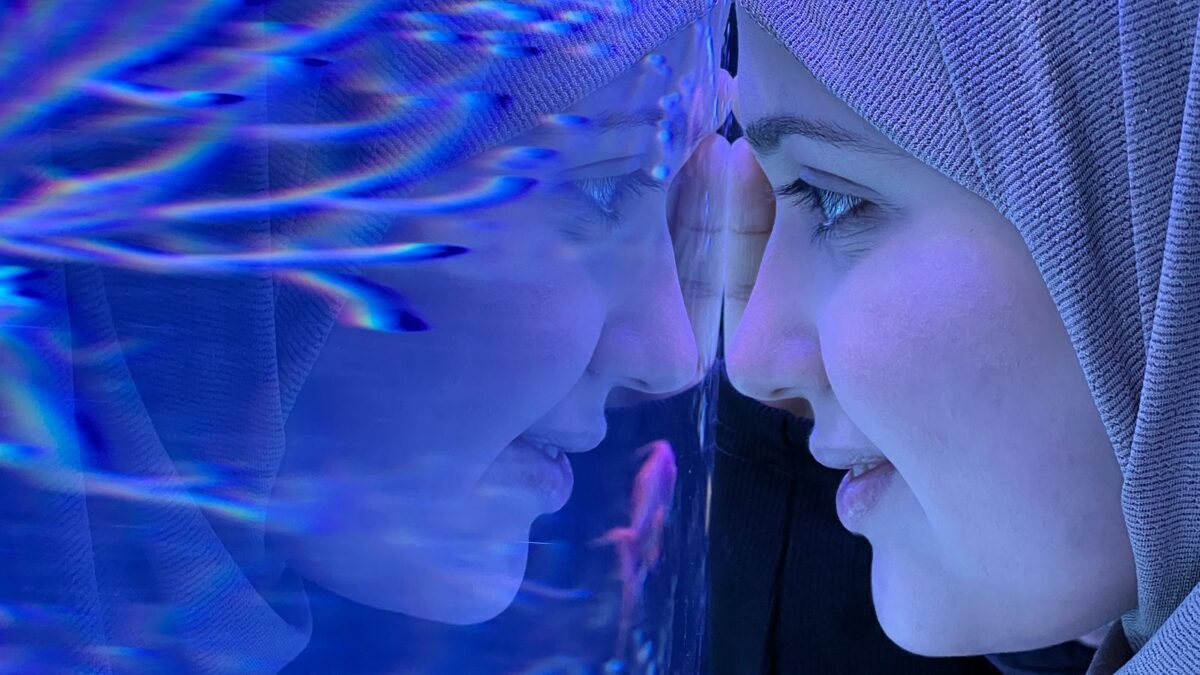
“War is not the hardest thing a person can go through. It’s not as hard as what comes after.” These opening words are the guiding theme of Itab Azzam and Jack MacInnes’ One in a Million, an epic saga of exile and assimilation centered on Israa and her family, Syrian refugees who flee their perilous, war-torn homeland to restart life in Germany. Filmed over a decade, the family story also doubles as a coming-of-age tale where both the joy of freedom and tumult of assimilation test every family member’s bonds. While the film’s episodic structure and, considering its sprawling canvas, relatively succinct runtime leave some details less explored, the filmmakers capture, with moving sensitivity, how perceived liberty doesn’t always mean true independence. – Jordan R. (full review)
Silent Friend (Ildikó Enyedi)
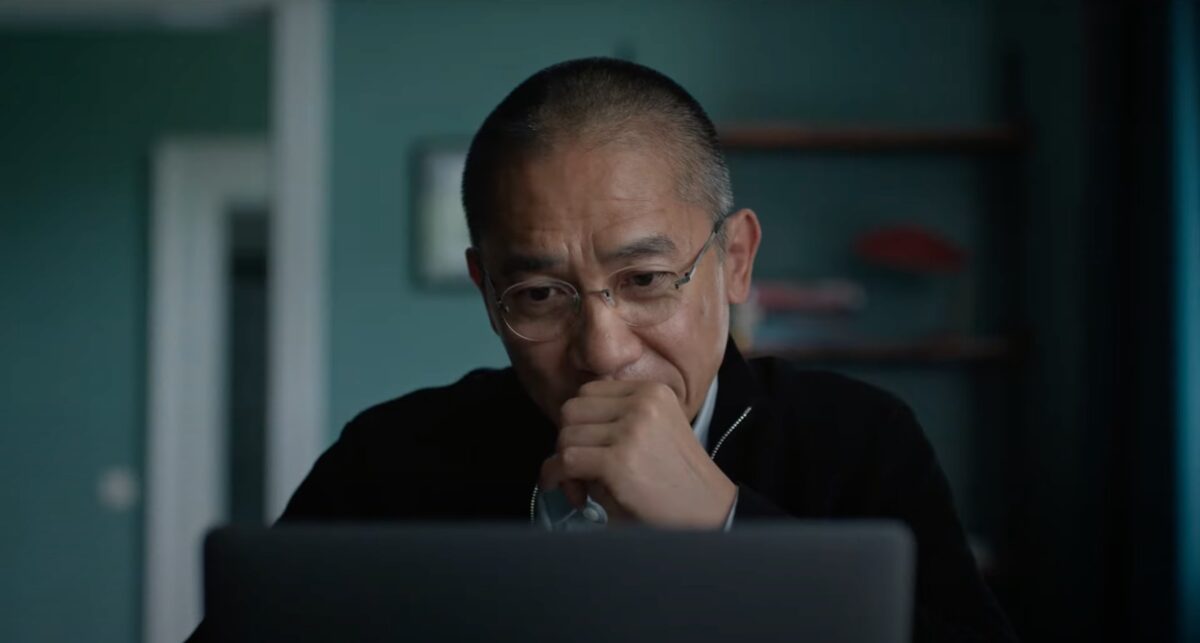
Hungarian director Ildikó Enyedi is best known for her 2017 Golden Bear-winning film On Body and Soul, where an unlikely pair of characters met in a dream and, as deer, fell in love. This remarkably tender Berlinale winner is, in many ways, the precursor to Enyedi’s newest film, notwithstanding the fact that in-between came The Story of My Wife (2021), a period drama of an obsessive love affair starring Léa Seydoux. Not to say the latter is irrelevant: the English-language debut allowed Enyedi to expand the details of her singular worlds beyond language and cement herself as a European auteur to whom actors flock. While Silent Friend stars the indomitable Tony Leung (and also Seydoux in a small role), the real star of this film is a ginkgo tree. If On Body and Soul was fauna, Silent Friend is flora. – Savina P. (full review)
First Look 2026 takes place April 23 through May 3 at the Museum of the Moving Image. Learn more here.
The post 8 Films to See at MoMI’s First Look 2026 first appeared on The Film Stage.
from The Film Stage https://ift.tt/To290jh


0 Comments