
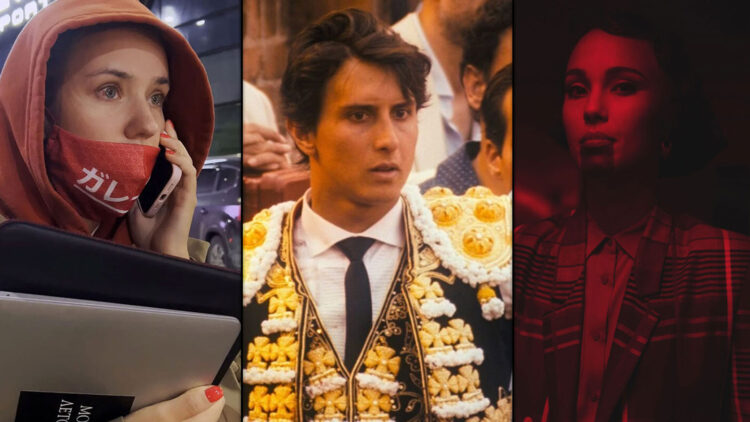
A sprawling odyssey of the Black experience, Independent journalists fighting back in Russia, the life of a bullfighter, a deep dive into the video-store era, meta dissections of true crime, a look inside one of the most ambitious films of the decade, and the life of a legendary director: these are just a few of the subjects and stories this year’s finest documentaries brought us. With 2025 wrapping up, we’ve selected the non-fiction features that left us most impressed.
7 Walks with Mark Brown (Vincent Barré, Pierre Creton)
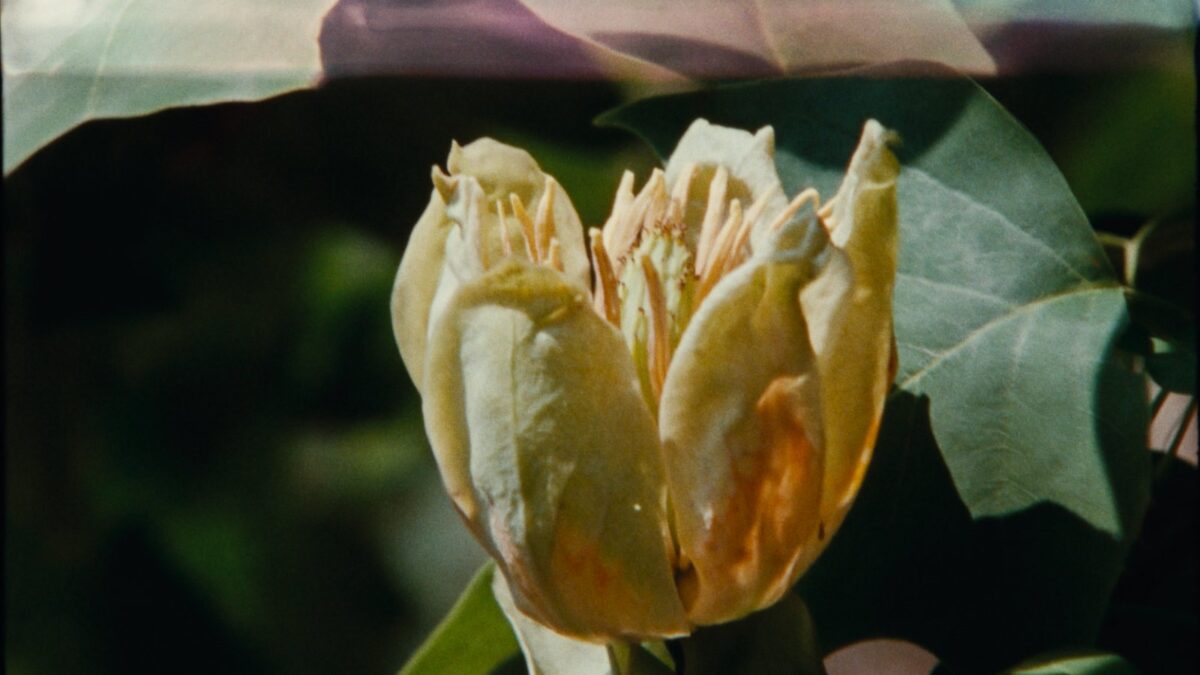
Directed by life partners Pierre Creton and Vincent Barré, 7 Walks With Mark Brown sneaks up on you. It traces a trip taken by the directors with a small crew and botanist Brown. They end in a forest built up to preserve plants dating back to the era of the dinosaurs. Without explicit mysticism, it’s an homage to the importance of life outside the human race. – Steve E.
Afternoons of Solitude (Albert Serra)
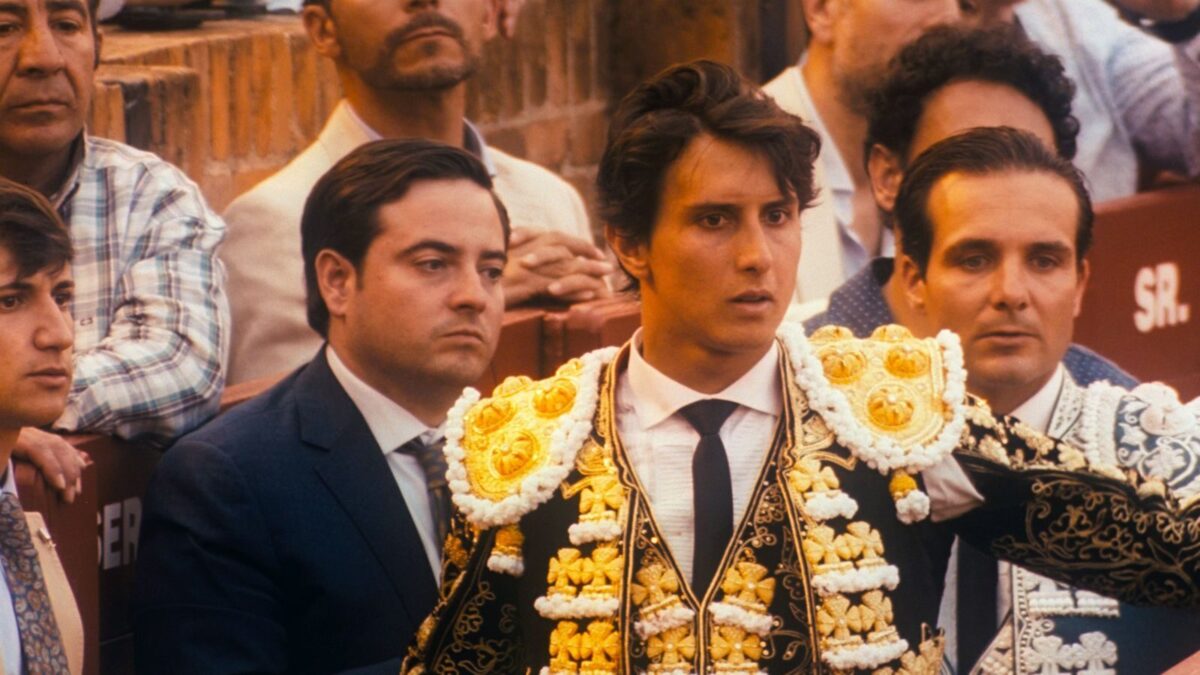
Albert Serra’s new film Afternoons of Solitude is more akin to two hours of Sky Sports than you’d expect from the guy who once made Story of My Death. Following the rules, if not the spirit, of ever-festival-fashionable observational and direct cinema, we spend most of its runtime in long takes observing Spanish bullfighting rings, our eyes focused on Andrés Roca Rey, a Peruvian “exemplar” of the sport engaged in utmost, ritualized savagery. We’re very sensitized to the constructed and artificial nature of documentary now, but Serra’s prime achievement here is to achieve an objectivity of perspective. Commanded by DP Arthur Tort, it’s not a leering camera, and the editing patterns don’t cut to close-ups coercing us into disapproval, to achieve a a rapport where we can agree “this is awful, isn’t it.” It suggests an anthropological record of a pastime deserving our deference and grudging respect, yet equally an indictment of something barbaric and finally absurd. Roca, shown in power stance with his eyes focused and vulnerable like the poor bull’s, seems both hero and villain of the piece, but those categories also fail to apply here. Framed sculpturally and monumentally, as a body in cinematic space, he merely is. – David K. (full review)
Apocalypse in the Tropics (Petra Costa)
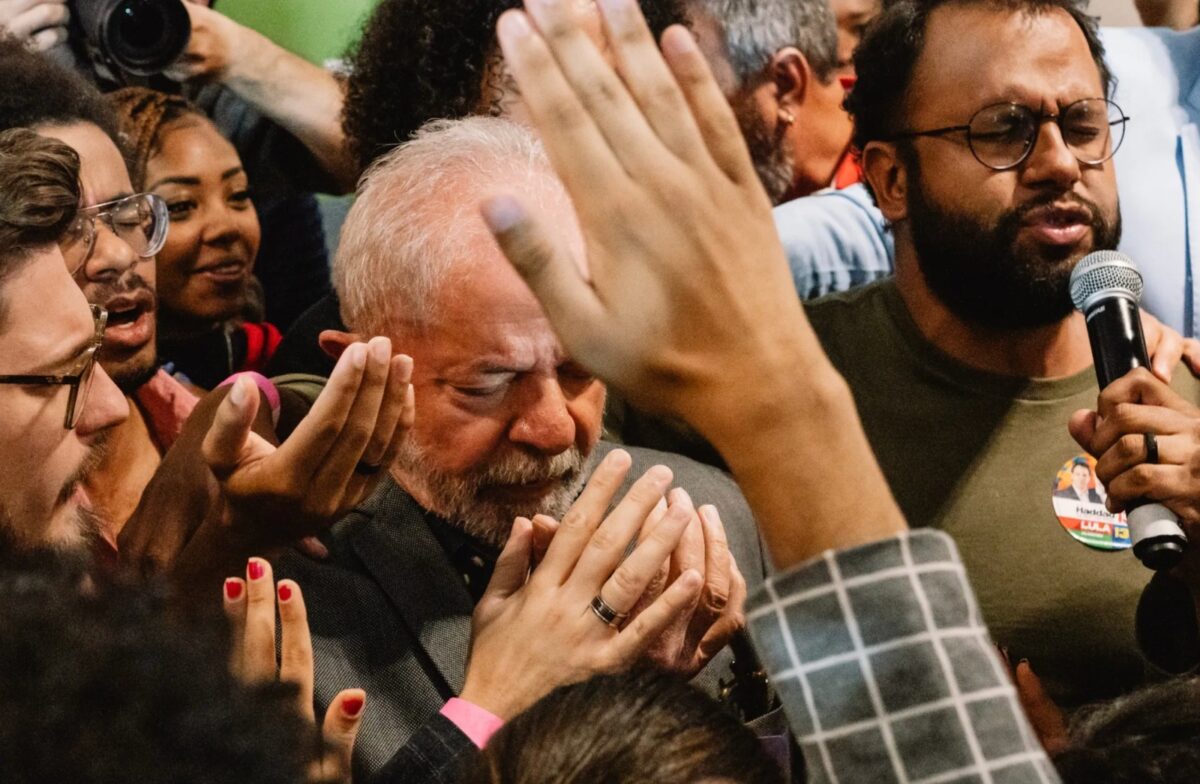
Five years, the closest presidential election in Brazilian history, and one insurrection after her last examination of Brazil’s tumultuous socio-political sphere, Petra Costa––the brilliant documentarian behind Elena and The Edge of Democracy––hones in on Jair Bolsonaro, the radical evangelical right that won him the presidency in 2018, and the theocracy they collectively fight to instate. With Costa’s nearly unfettered access to the main characters of modern Brazilian politics, the events of Apocalypse in the Tropics practically unfold in real time––a thrilling, profound documentary horror. – Luke H. (full review)
Below the Clouds (Gianfranco Rosi)
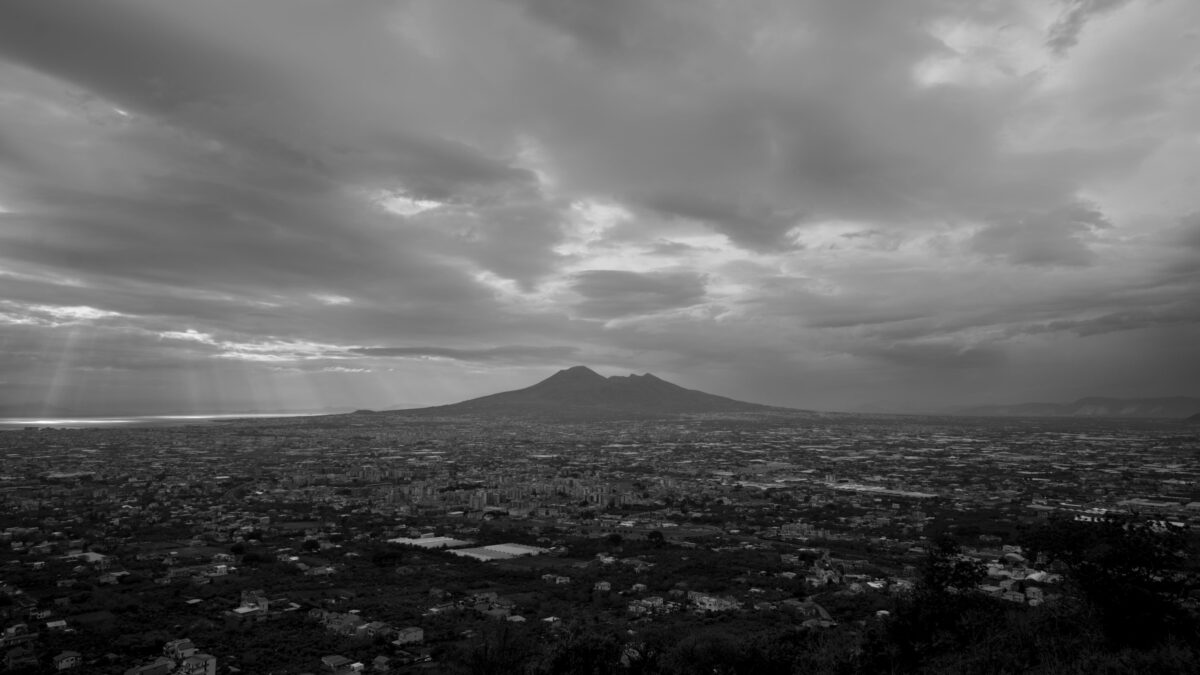
With Mount Vesuvius looming over southwestern Italy’s idyllic region of Naples, both in history and imagery, one might reasonably think Gianfranco Rosi’s Below the Clouds is about the storied volcano, active and enormous. Yet the title announces Rosi’s focus clearly: Below. In the shadow of Vesuvius––an ominous, peripheral character in the film’s mosaic of curios and quiet charismatics––the vast, densely populated terrain the ancient volcano lords over is teeming with distinct and peculiar modern life. Through a welcome litany of characters and occupations, Rosi shows us around Naples with an invasive interest, like a father bestowing a passion to his child. – Luke H. (full review)
BLKNWS: Terms & Conditions (Kahlil Joseph)
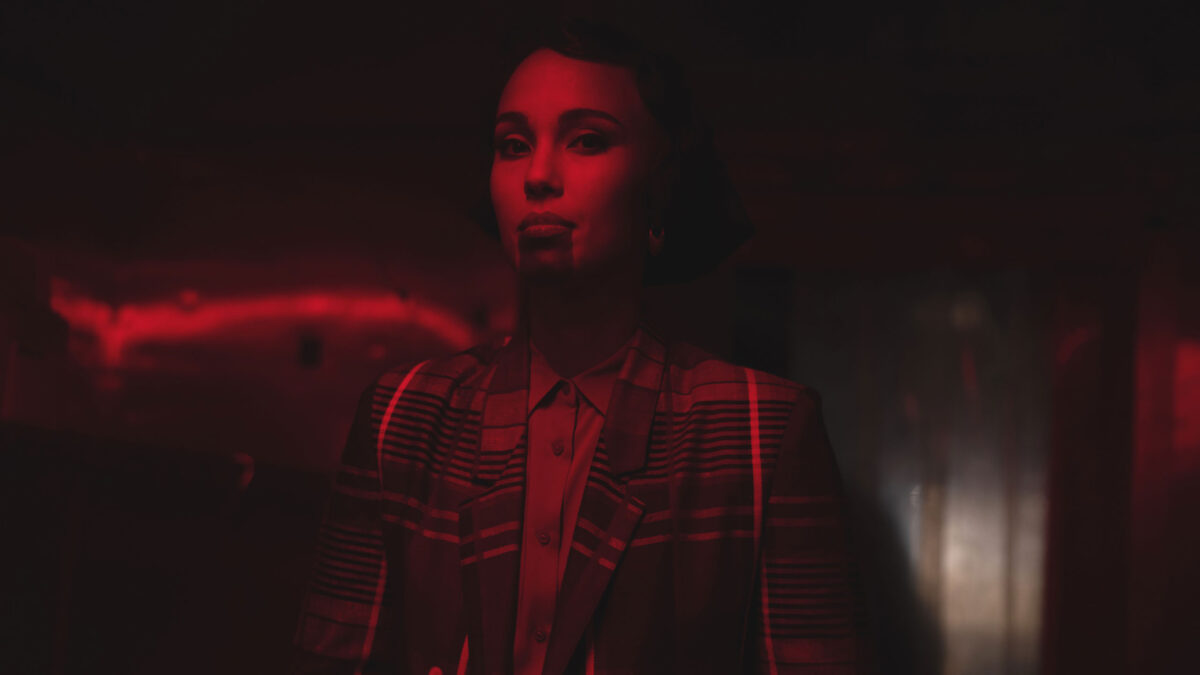
Celebrating and condensing centuries of Black history that would take more than a few lifetimes for any scholar to thoroughly ascertain in totality, Kahlil Joseph’s BLKNWS: Terms & Conditions eschews dryly academic ethnographic study to deliver a kaleidoscopic, vigorous, engrossing journey. Utilizing Henry Louis Gates and Anthony Appiah’s W. E. B. Du Bois-inspired “Africana: The Encyclopedia of the African and African American Experience”––the latest edition of which is nearly 4,000 pages––as its foundation, with page numbers presented throughout its plethora of references, the viewing experience is less daunting than one imagines the filmmaking process surely must have proved. Converging and clashing seemingly thousands of pieces of media to thought-provoking effect, this is a directorial debut that’s overwhelming in its rapid pace while also acting as a generous invitation to further examine any one of its sprawling tendrils of past, present, and future Black history. – Jordan R. (full review)
Cover-Up (Laura Poitras, Mark Obenhaus)
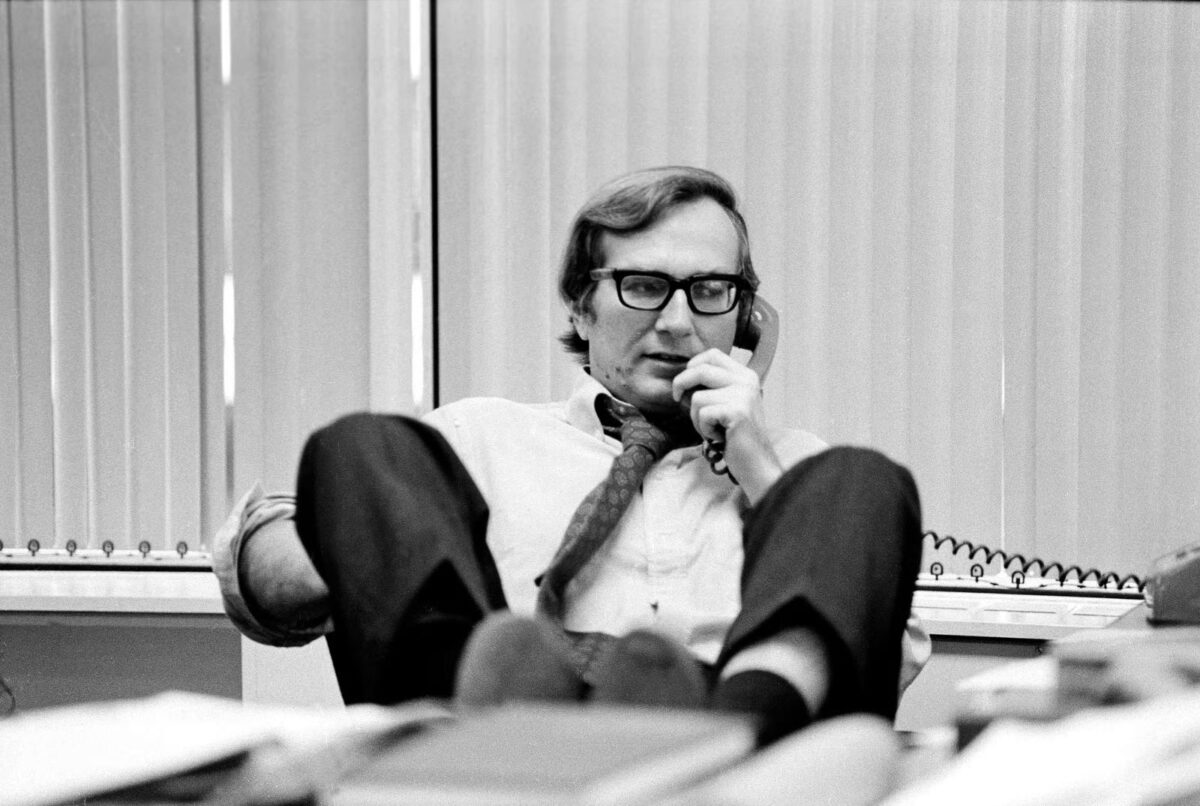
Three years after Venice welcomed (and awarded the Golden Lion to) Laura Poitras’s documentary about artist and activist Nan Goldin, All the Beauty and the Bloodshed, another filmic portrait by the Academy Award-winning director graces the Lido. Cover-Up, co-directed by Poitras and Mark Obenhaus, revolves around legendary journalist Seymour (Sy) Hersh and his career spanning from the 1960s to the present day. A title card announces that Poitras first approached Hersch some 20 years ago, and after having worked with Obenhaus on a few documentaries, he has finally agreed to participate in the project that is now Cover-Up. – Savina P. (full review)
Cutting Through Rocks (Sara Khaki and Mohammadreza Eyni)
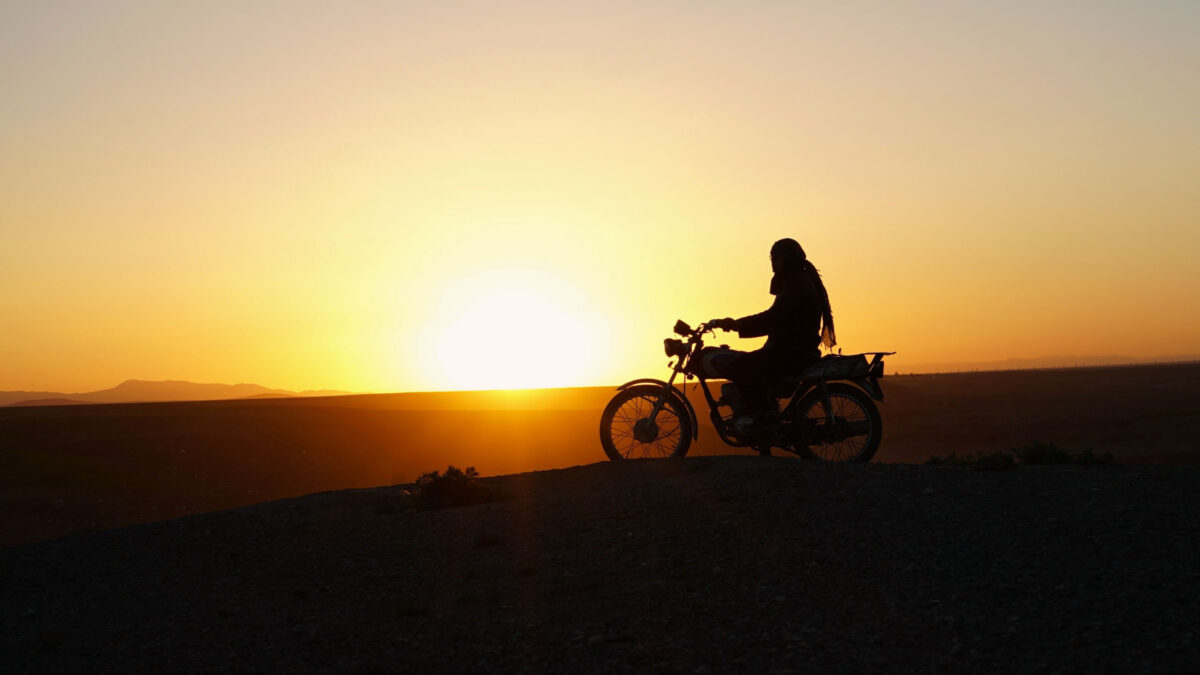
An engrossing documentary portrait of a woman fighting the patriarchy in her Iranian village, Cutting Through Rocks follows the hard-fought journey of Sara Shahverdi. The first elected councilwoman in her community, she strives to upend the female societal rituals of complacency and subservience under suffocating male dominance. Whether it’s asking a class at an all-girls school to sign pledges to not surrender their young lives away to forced marriages or simply providing a sense of freedom by letting female teenagers ride her motorcycle, the film offers a detailed look at dedicating one’s life to a cause that has a million roadblocks at every step. – Jordan R.
The Encampments (Michael T. Workman and Kei Pritsker)
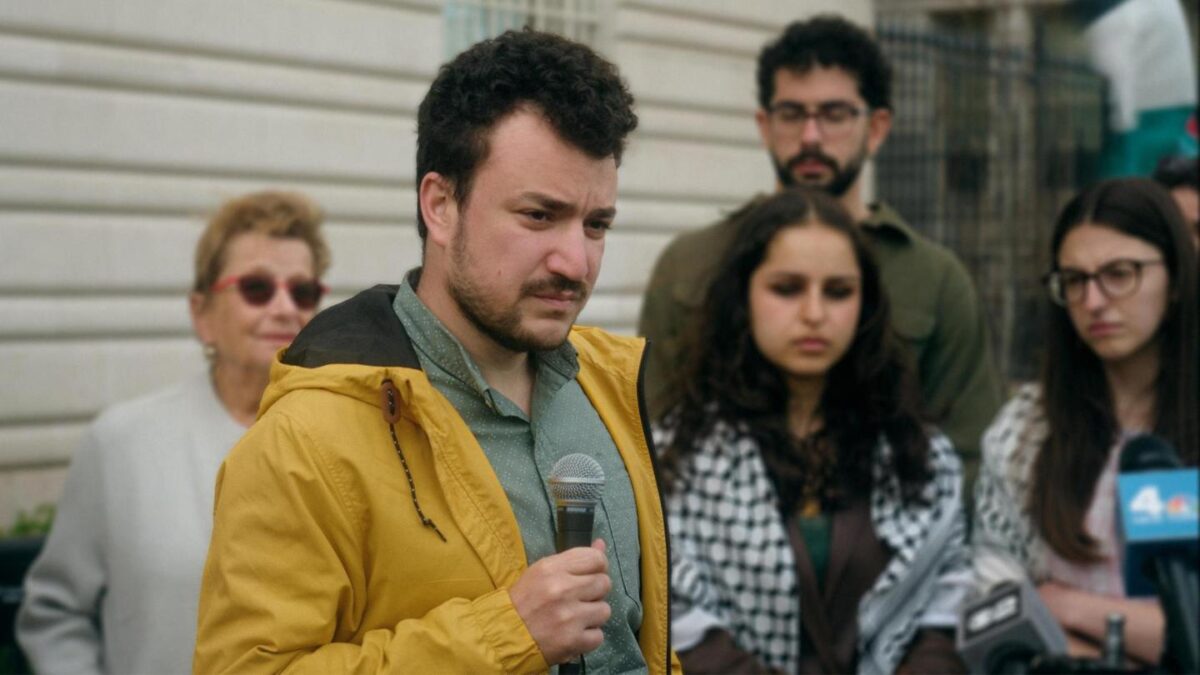
A group of students, primarily led by minority voices, launched encampments in protest of Columbia University’s financial ties to companies with the express purpose of advancing weapons and technology to fuel the war machine. Police were called in to forcefully squash the protests. The activism and those involved opened the eyes of the nation and globe, advancing critical thinking and free thought in the name of progress. The year is 1968. Over half a century later is history repeating itself, but this time with more assertive opposition, distortion of facts, and willful ignorance of the suffering on the part of those in power. – Jordan R. (full review)
Henry Fonda for President (Alexander Horwath)
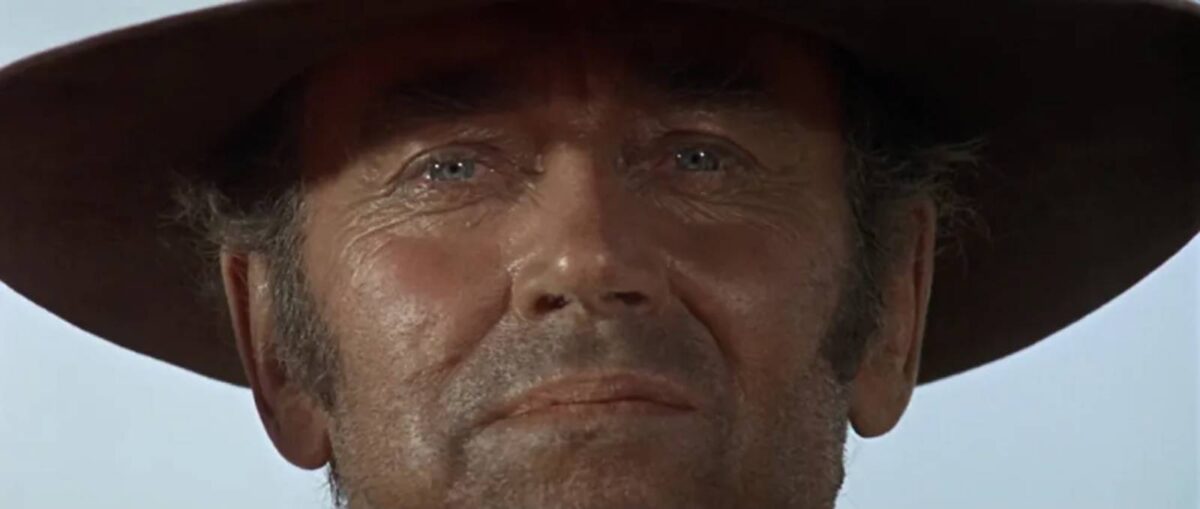
One of the most thought-provoking, densely assembled documentaries of the year, Alexander Horwath’s Henry Fonda for President, which premiered at Berlinale in 2024, is a three-hour journey through the career of the legendary actor. But rather than telling a standard cradle-to-grave story, performances and life events are used to chart a course of the history of America itself. Also featuring audio from Fonda’s final interview, it’s a truly fascinating approach to rethinking the biographical documentary. – Jordan R.
The Librarians (Kim A. Snyder)
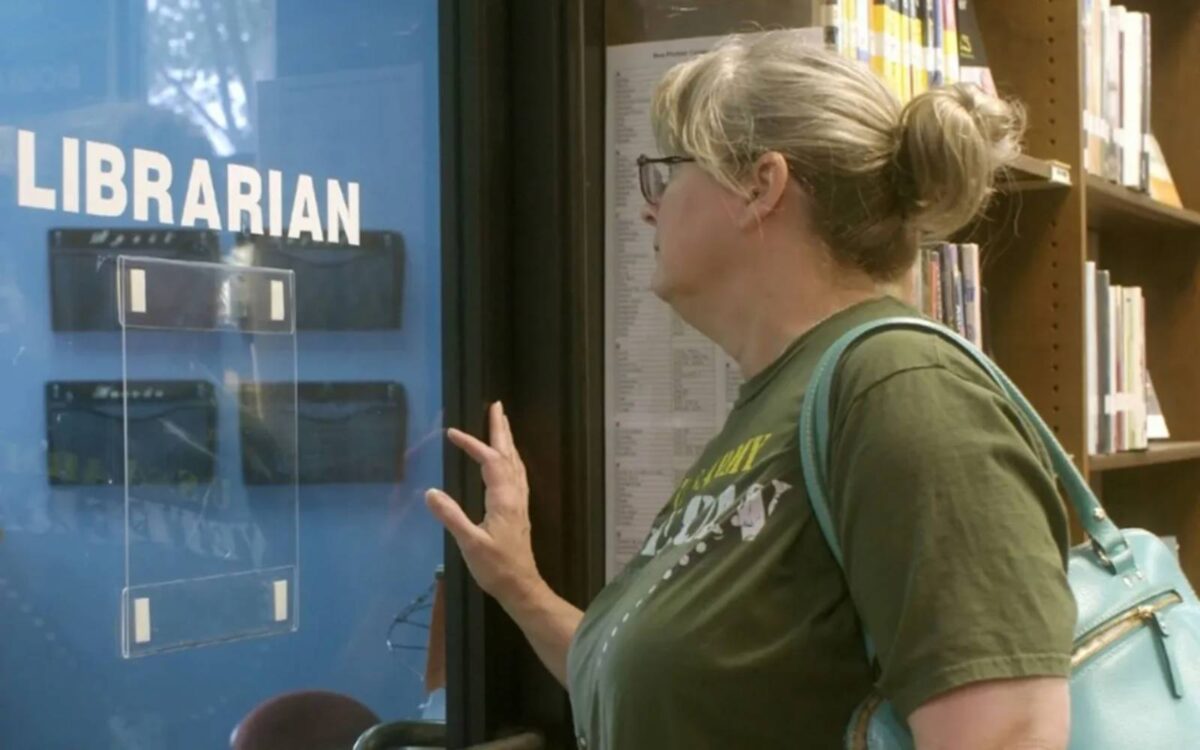
Kim A. Snyder’s The Librarians is a comprehensive documentary that maps well-funded, right-wing political groups’ nationwide mission to ban books and those standing up to this movement in the name of anti-censorship. And though there are expected touches throughout (onscreen quotes from Fahrenheit 451, talking-head interviews offering context) this film surprises in its thorough research and succinct storytelling. If you’ve wondered how exactly we got here, The Librarians has your answer. – Dan M. (full review)
MEGADOC (Mike Figgis)
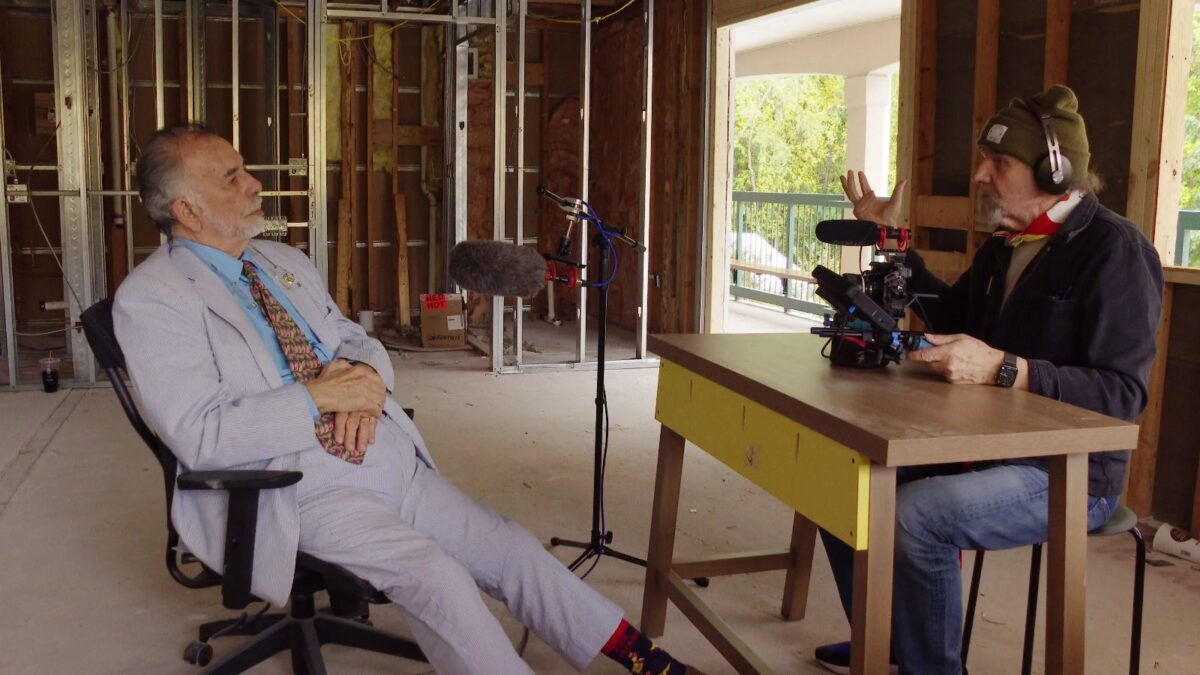
A risky filmmaking project with Francis Ford Coppola––what could go wrong? Or more accurately: imagine what might go legendarily right. Not all of his films have had troubled, turbulent productions, but the essential chaos of creativity he tries to harness––and the necessary friction that results with his collaborators––is how he ultimately thrives. Subtract all of these factors, and the result probably turns out like Jack. – David K. (full review)
Milisuthando (Milisuthando Bongela)

Conveying complex political and social issues through an immensely personal lens, Milisuthando Bongela’s debut feature is a sweeping, staggeringly original attempt to unpack the oppressive grip of apartheid in South Africa. Across its five chapters, some look back on history with a newfound awareness of a colonial past and its generational damage while others take a pared-down, avant-garde approach in reckoning with the present and future by giving space to weighty conversations. Milisuthando is the kind of documentary that should be essential viewing––not only in American history classes, where apartheid is often a footnote, but in filmmaking education to show how the most affecting way to convey monumental struggle is through a singularly individual perspective. – Jordan R.
My Undesirable Friends: Part I – Last Air in Moscow (Julia Loktev)
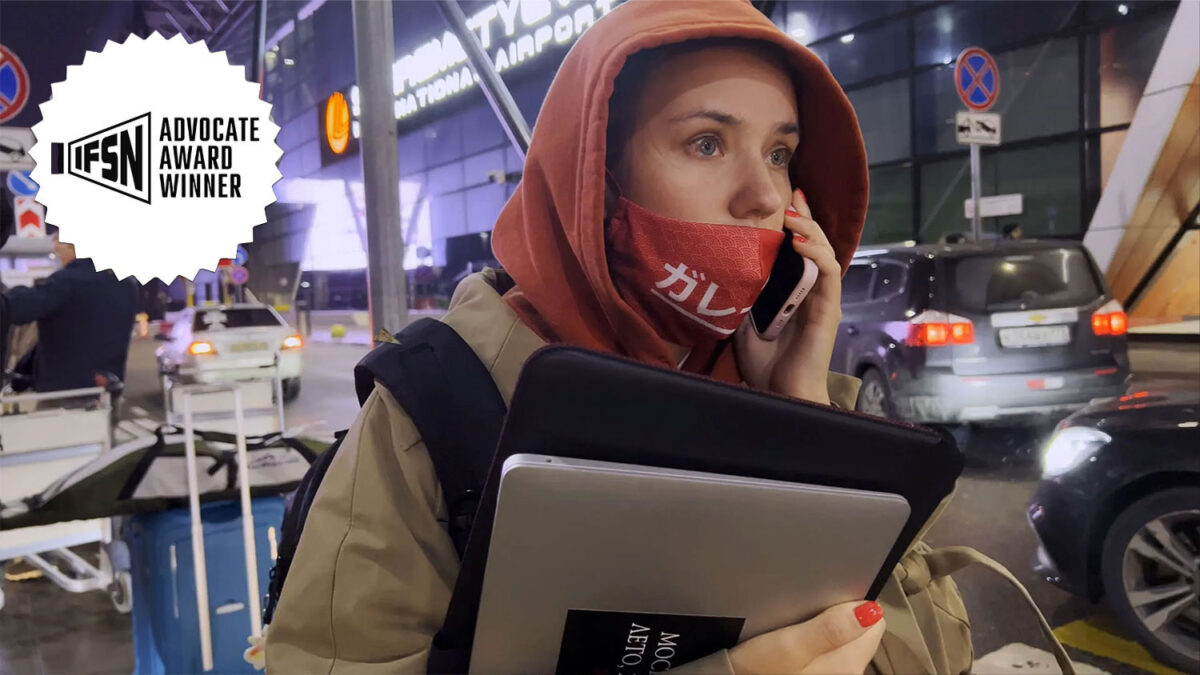
Recipient of the 2025 IFSN Advocate Award, Julia Loktev’s My Undesirable Friends: Part I – Last Air in Moscow is an intimate, intricate documentary capturing Putin’s assault on independent journalism in Russia, which was only exacerbated by his full-on attack on Ukraine. The film captures Loktev documenting a group of her friends fighting the good fight running TV Rain, Russia’s last remaining independent news channel. Read Luke Hicks’ review from the NYFF world premiere here and Nick Newman’s interview with Loktev here.
Mr. Scorsese (Rebecca Miller)
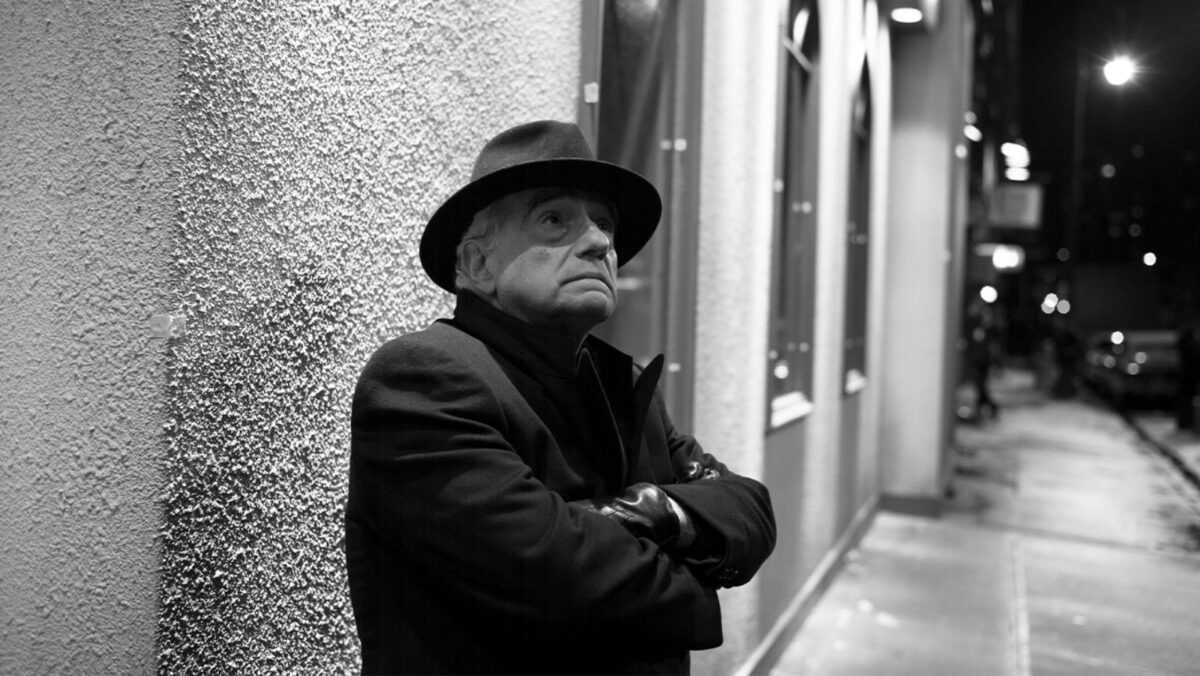
For a career as diverse, singular, and influential as Martin Scorsese’s, the task of summarizing it in even five hours is a mammoth task, making director Rebecca Miller and editor David Bartner’s Mr. Scorsese such a vital, impressive documentary. Across nearly 80 interviews, including 30 hours with Mr. Scorsese himself, Bartner weaves together the life tale of a fiercely driven filmmaker encumbered by studio demands, following his passions, regrets, and triumphs along the way. As entertaining as it is insightful, the five-part project is proof that every living director with such a career deserves such cinematic encapsulation. Read my full interview with Bartner. – Jordan R.
The Perfect Neighbor (Geeta Gandbhir)

First coming under wider scrutiny in 2005 when passed in Florida, the stand-your-ground law allows property owners to use deadly force to defend their home from trespassers. The foreseeable result has been an uptick in homicides and a proven racial bias when it comes to the number of white shooters and Black victims. While there’s an overwhelming amount of data and cases a documentary could explore on the issue, Geeta Gandbhir’s gripping, infuriating The Perfect Neighbor takes an objectively narrow, focused approach, exploring a single case in Florida primarily through police bodycam and CCTV interrogation footage. Initial police calls involving a neighbor upset at the children trespassing on her property shockingly escalates in a single moment; Gandbhir lets the footage speak for itself, creating a documentary far more upsetting and impactful than any number of talking heads could provide. – Jordan R. (full review)
Predators (David Osit)
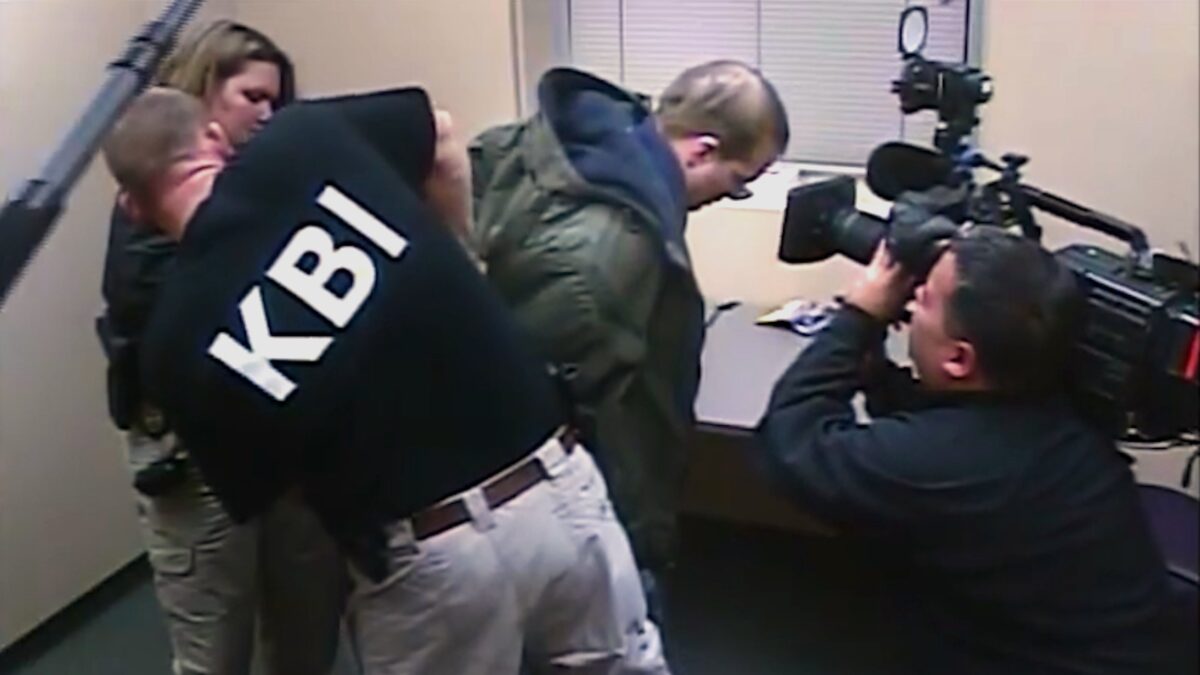
Filmmaker David Osit gives viewers a lot to wrestle with in Predators, his documentary about the reality show To Catch a Predator, which captured the zeitgeist of the early 2000s. In the show, host Chris Hansen confronted adult men who had arrived to a location (following an online chat correspondence) with the alleged intention of engaging in sexual activity with a minor. The set-up was, in fact, a sting orchestrated by the show’s producers in collaboration with local law enforcement. It made for compelling television and was advertised like so, as well as a public good. Predators wrestles with the legacy of the program, the ethical questions it raised, and the copycat vigilantes it inspired. The show was cancelled not long after suspect Texas assistant district attorney Bill Conradt committed suicide as cameras and cops were descending on his home. A cascading level of criticism was soon drawn against the production, putting into question whether the evidence obtained on camera was, in fact, admissible in a court of law. Hansen, after all, is not law enforcement. – Dan M. (full review)
Put Your Soul On Your Hand and Walk (Sepideh Farsi)

One of the most heartbreaking documentaries of the year, Sepideh Farsi’s Put Your Soul On Your Hand and Walk premiered at Cannes just weeks after the Israeli occupation murdered the film’s subject, 25-year-old Palestinian photojournalist and poet Fatma Hassona. Constructed through passages of the director speaking with Hassona through FaceTime conversations, we get a glimpse at the day-to-day life under siege, both a powerful testament of living through terror and a damning cry for the Israeli government to stop destroying innocent lives. – Jordan R.
Riefenstahl (Andres Veiel)
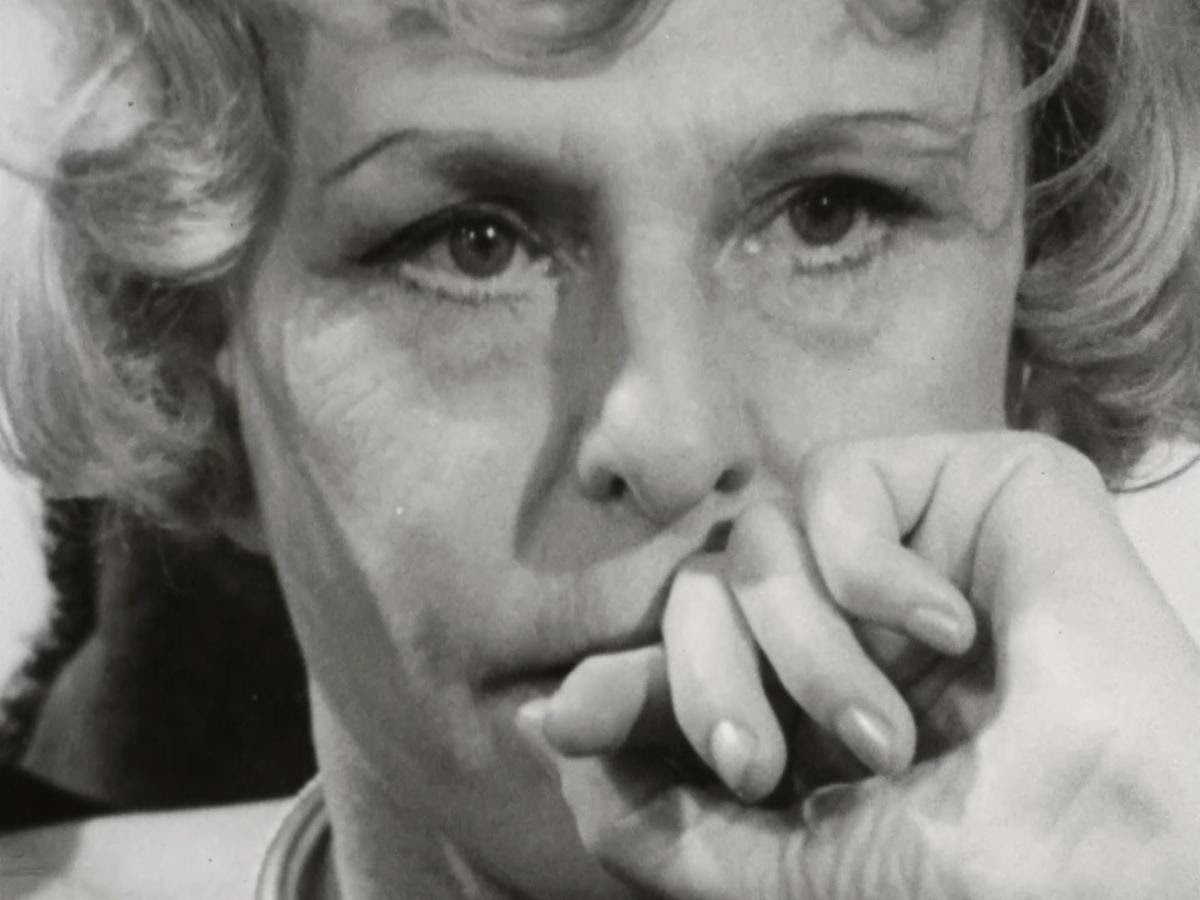
It is fascinating what the human mind will allow. Riefenstahl, a documentary directed by Andres Veiel about the life of Leni Riefenstahl, explores the rationalizations the filmmaker allowed herself in order to explain her collaborations with the Nazi Party in Germany during their time in power. Until the day she died (at 101 years old in 2003), Riefenstahl refuted accusations that she was aware of the crimes being committed around her. “I never saw any atrocities happening,” she says in an interview from 1976, after the interviewer presents her with an account of her witnessing the murder of 22 Jews. She denies it adamantly. Throughout the film, we watch her deny much, while separate information suggests she was more aware of the evil around her than she ever let on. How much did Leni Riefenstahl know when she was working directly with Hitler and his team of monsters? – Dan M. (full review)
Videoheaven (Alex Ross Perry)
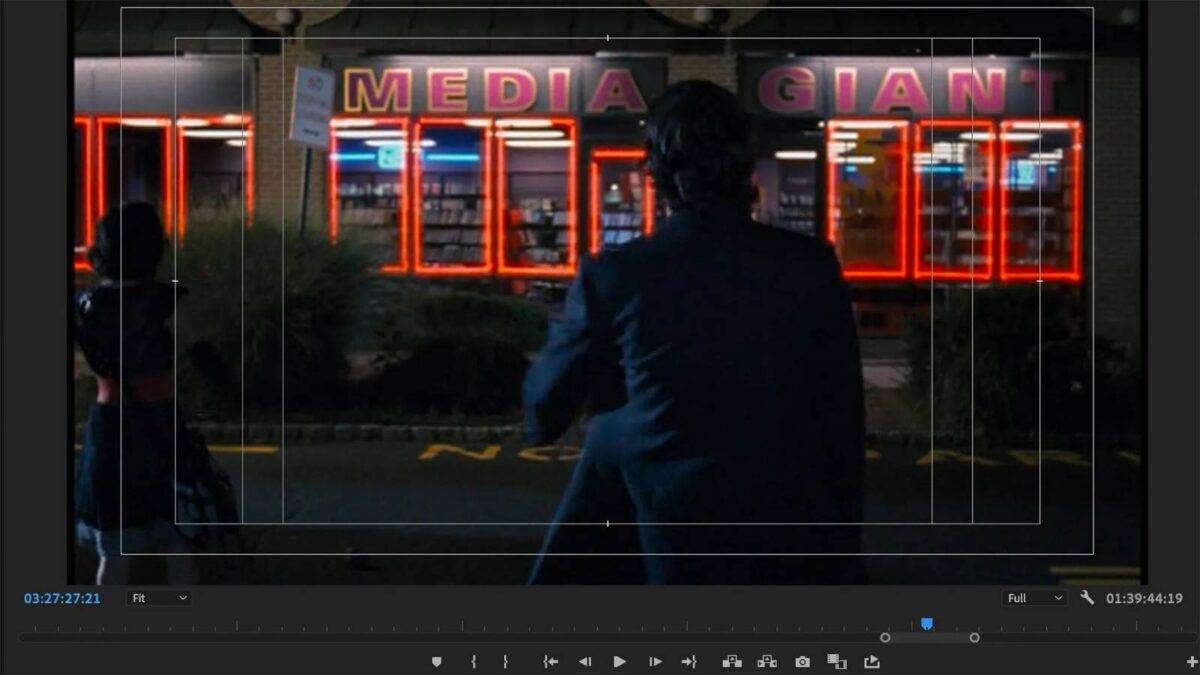
In Videoheaven, Blockbuster––to take after Thom Andersen––plays itself. Now deep in a pop-cultural-scholarship phase inaugurated by his last feature Pavements, Alex Ross Perry has made a generous, absorbing three-hour essay film-cum-documentary on nothing else but video-rental stores, those fabled and most benign of places. That is the loveably niche subject, but like the best examples of those brick-and-mortar venues, it contains multitudes: closely inspired by academic Daniel Herbert’s acclaimed media studies text Videoland: Movie Culture at the American Video Store, Videoheaven is the ne plus ultra consideration of this topic to date, dispensing large portions of information and close analysis entirely through a combination of film and TV excerpts, occasional pieces of archive, and voiceover from Maya Hawke (who appears in some of the former, along with her dad). Born in 1984 and coming of age in the early millennial period, Perry is declaiming that this was his generation and this was what mattered. It was magnetic tape and clumpy boxes, yes, but through rose-tinted shades, they look burnished in gold. – David K. (full review)
WTO/99 (Ian Bell)
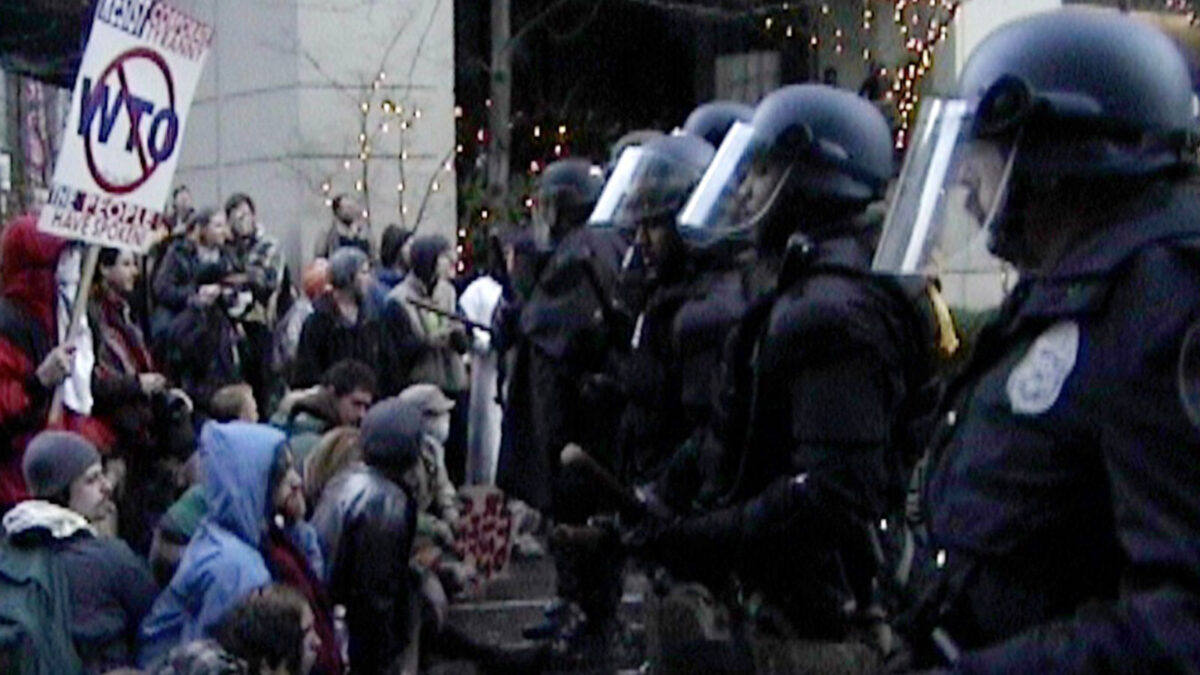
Premiering at the True/False Festival, Ian Bell’s acclaimed archival documentary WTO/99 follows the clash between the then-emerging World Trade Organization (WTO) and more than 40,000 people who took to the streets of Seattle in 1999 to protest the WTO’s impacts on the environment, human rights, and labor. In this impressive feat of editing, constructed by Bell and co-editor Alex Megaro, there’s a sense of immediacy to every cut, leading up to the denouement showing how we’re still very much living in the aftermath of what was being protested a quarter-century ago. – Jordan R.
Zodiac Killer Project (Charlie Shackleton)
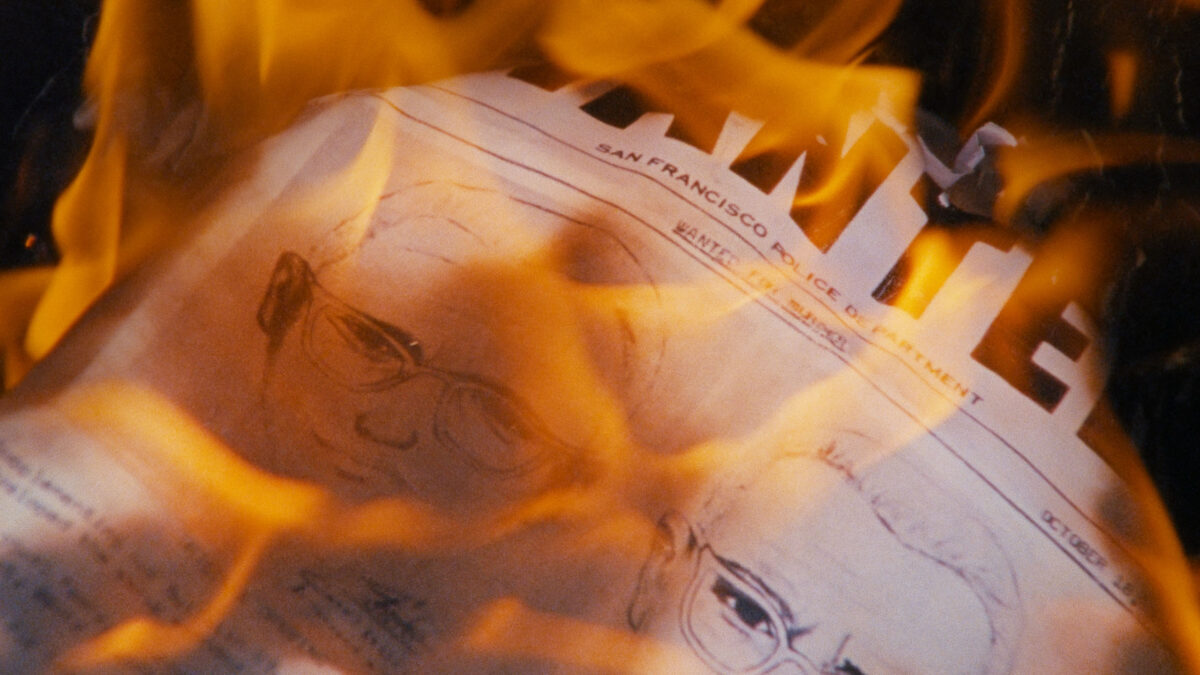
What would a feature-length director commentary look like when the film was never made? This is the slippery, fascinating conceit of Charlie Shackleton’s rather brilliant Zodiac Killer Project, which finds the director walking through his failed attempt to adapt Lyndon E. Lafferty’s book The Zodiac Killer Cover-Up: The Silenced Badge into the first major documentary on the unsolved case. What emerges, one could argue, is even more intellectually stimulating than the original intentions: a sui generis, often humorous stream-of-consciousness journey highlighting the ever-mounting mass of repeated cliches of various true-crime documentaries and series. Instead of a simple hit piece, however, Shackleton investigates why such familiarity often works on the viewer while ensuring you’ll never watch such a program the same way again. – Jordan R. (full review)
Honorable Mentions
- 2000 Meters to Andriivka
- Deaf President Now!
- The Dells
- Direct Action
- It’s Never Over, Jeff Buckley
- Little, Big, and Far
- Mr. Nobody Against Putin
- Remaining Native
- Secret Mall Apartment
- The Tale of Silyan
- Teenage Wasteland
- Timestamp
Explore more of the best films of 2025.
The post The Best Documentaries of 2025 first appeared on The Film Stage.
from The Film Stage https://ift.tt/2LipQFn


0 Comments